Tooth Extraction in Narnaul
When a tooth cannot be saved, extraction is planned carefully with comfort, infection control, and replacement options in mind.
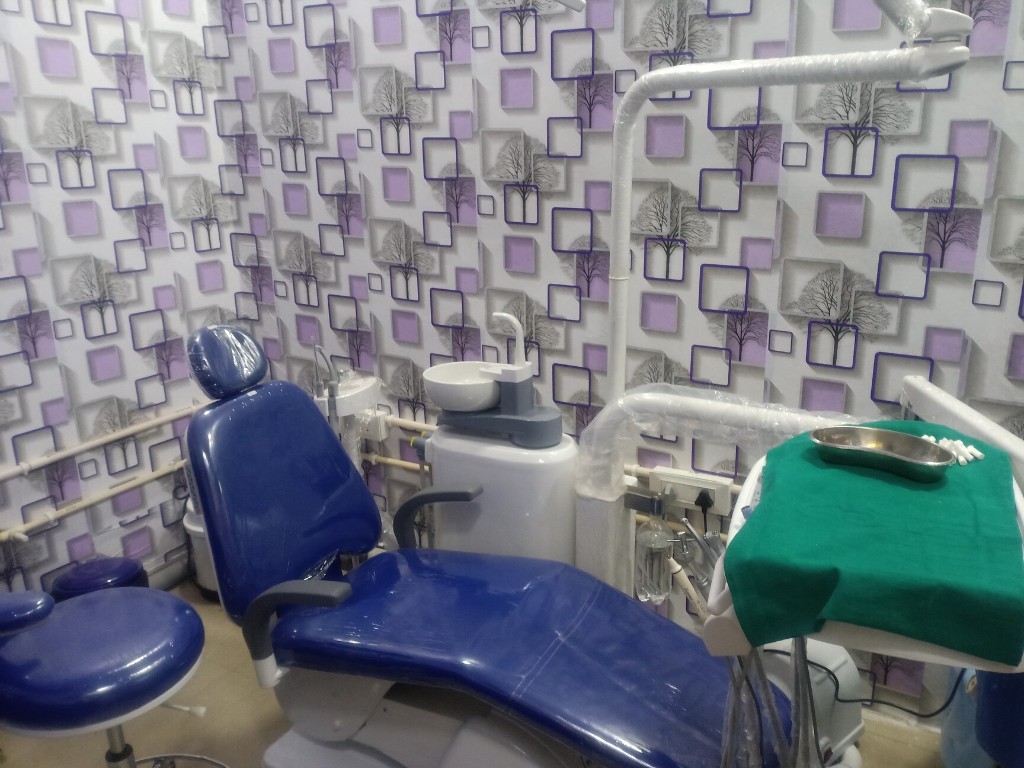
When extraction may be the right choice
Dentists try to save natural teeth whenever possible, but extraction may be needed when a tooth is badly broken, severely decayed, very loose from gum disease, infected beyond repair, or causing repeated pain. Wisdom teeth may also need removal if they are impacted, infected, damaging nearby teeth, or causing swelling.
At Muskan Dental Clinic in Narnaul, we do not treat extraction as the first option. We examine the tooth, take dental imaging if needed, and discuss whether filling, root canal treatment, crown, gum care, or extraction is the most predictable choice. This helps patients avoid removing teeth that could still be saved.
Comfort and safety during extraction
A tooth extraction is usually done under local anaesthesia so the area becomes numb. Patients may feel pressure, but the aim is to prevent sharp pain. The technique depends on the tooth position, root shape, infection, and bone support. Some extractions are simple, while others need more time and careful sectioning.
After the tooth is removed, a blood clot must form and stay protected. We give clear aftercare instructions about biting on gauze, avoiding spitting, avoiding smoking, eating soft foods, and taking medicines as advised. Good aftercare reduces bleeding, pain, and delayed healing.
Thinking beyond the extraction
Removing a tooth solves the immediate problem, but the missing space should not be ignored. Nearby teeth can tilt, opposing teeth can over-erupt, and chewing can become uneven. Depending on the case, a dental implant, bridge, or denture may be considered after healing.
For patients searching for tooth extraction in Narnaul, the best visit is one where diagnosis and aftercare are both taken seriously. We explain what to expect, warning signs after extraction, and whether replacement is needed to protect long-term function.
Aftercare that protects healing
The first 24 hours after extraction are important. Patients should avoid forceful rinsing, spitting, smoking, drinking through a straw, and touching the socket. These actions can disturb the clot and increase pain or delayed healing. Soft food and rest are usually advised initially.
We also explain when to contact the clinic, such as uncontrolled bleeding, increasing swelling, fever, or pain that worsens after a few days. Clear aftercare reduces anxiety because patients know what is normal and what needs attention. Good healing starts before the patient leaves the chair.
Planning Your Visit at Muskan Dental Clinic
Every tooth extraction appointment starts with a conversation about symptoms, expectations, medical history, and previous dental treatment. We do not rush patients into a procedure without explaining the reason for the recommendation. When imaging, cleaning, medication, or a staged plan is needed, it is discussed before treatment begins.
Local patients in Narnaul often want clarity on time, comfort, cost, and aftercare. This page gives a strong overview, but the final plan depends on your mouth, gums, bone support, bite, and overall health. A clinic visit helps convert general information into a practical treatment plan that fits your exact case, with instructions you can follow confidently at home after the appointment.
Frequently Asked Questions
Is tooth extraction painful?
The area is numbed with local anaesthesia. You may feel pressure during extraction, but sharp pain should be controlled.
How long does extraction healing take?
Initial healing usually begins within days, but full healing depends on the tooth, infection, and patient health. Follow the aftercare instructions closely.
Should I replace an extracted tooth?
Many missing teeth should be replaced to maintain chewing and prevent shifting. Replacement options depend on the location and your oral health.